
Quick answer: Safe medication use means taking the right medicine, at the right dose, by the right route, at the right time — while actively avoiding harmful drug interactions and recognising side effects early. The four pillars are correct dosage, awareness of side effects, prevention of drug interactions, and consistent best practices such as keeping an up-to-date medication list and using one pharmacy.
Medicines are among the most powerful tools in modern healthcare, yet they are also a leading cause of preventable harm. The U.S. Food and Drug Administration (FDA) estimates that adverse drug events cause well over a million emergency department visits every year, and a large share of those events are preventable. Most preventable harm does not come from rare, exotic reactions — it comes from everyday issues: a dose that is too high for someone's kidneys, two medicines that should never be combined, a warning label that was never read, or a supplement quietly interfering with a prescription.
This guide explains, in plain language, how to use medications safely. It is written for patients and caregivers, and it is reviewed by the pharmacists and physicians on the MedCentralHub Medical Review Board. It is educational and does not replace personalised advice from your own doctor or pharmacist.
Key Takeaways
- Dose is not one-size-fits-all. The correct dose depends on age, weight, kidney and liver function, other medicines, and the specific condition being treated.
- Most side effects are predictable. Knowing the common, serious, and rare effects of your medicines lets you act early instead of ending up in the emergency room.
- Interactions are the hidden risk. Drug–drug, drug–food, drug–supplement, and drug–disease interactions cause a large fraction of preventable harm — and they rise sharply when you take five or more medicines.
- Systems beat memory. A written medication list, a single pharmacy, a pill organiser, and a routine are more reliable than willpower.
- Free tools help. Use a drug interaction checker, a pill identifier, and clinical dosage calculators to double-check before there is a problem.

What "Safe Medication Use" Actually Means
Clinicians often describe safe medication use with the classic "five rights": the right patient, right drug, right dose, right route, and right time. Modern pharmacy practice adds more rights — the right documentation, right reason, right response, and the patient's right to refuse. You do not need to memorise the list. The underlying idea is simple: every step from prescription to swallowing a tablet is a place where an error can creep in, and each step deserves a moment of attention.
Safe use is a shared responsibility. Your prescriber selects the medicine and starting dose. Your pharmacist checks for interactions, allergies, and dosing problems, and counsels you on how to take it. But you — the person actually taking the medicine at home — are the final and most important safety check. You are the only person who knows every product you take, including the occasional ibuprofen, the herbal sleep aid, and the vitamin your neighbour recommended.
The single most valuable thing you can do for medication safety is keep a complete, current list of everything you take — prescriptions, over-the-counter products, vitamins, and supplements — and share it at every medical visit.
Understanding Medication Dosage
Dosage is where a helpful medicine becomes a harmful one. A dose that is too low may not treat the condition; a dose that is too high can cause toxicity. The "therapeutic window" is the range between the dose that works and the dose that harms. Some medicines, like warfarin (a blood thinner), have a very narrow window and require careful monitoring. Others, like acetaminophen, are forgiving at normal doses but cause serious liver injury above a daily ceiling.
How doses are determined
Prescribers do not choose doses at random. A dose reflects several factors:
- The condition and its severity. The same medicine may be dosed differently for different indications.
- Body size and age. Children are usually dosed by weight (mg per kilogram). Older adults often need lower doses because the body clears medicines more slowly.
- Organ function. The kidneys and liver eliminate most medicines. When either is impaired, doses often must be reduced to avoid accumulation.
- Other medicines. Interacting drugs can raise or lower blood levels, requiring dose adjustment.
- Genetics. Some people metabolise certain medicines faster or slower based on inherited enzyme differences (pharmacogenomics).
Common dosage forms and what they mean
The *form* of a medicine affects how fast and how completely it works. Choosing or switching forms without guidance can change the effective dose.
| Dosage form | How it works | Practical notes |
|---|---|---|
| Immediate-release tablet/capsule | Releases the full dose quickly | Do not assume it can be split unless scored and approved |
| Extended-release (ER/XR/SR) | Releases slowly over hours | Never crush or chew — can cause a dangerous dose dump |
| Liquid/suspension | Flexible, weight-based dosing | Use the supplied syringe, never a kitchen spoon |
| Sublingual/orally disintegrating | Absorbed in the mouth | Useful when swallowing is hard or fast onset is needed |
| Transdermal patch | Steady absorption through skin | Rotate sites; remove the old patch before applying a new one |
| Injectable (SC/IM/IV) | Bypasses the gut for rapid, complete effect | Requires correct technique and storage |
Reading a prescription label correctly
A prescription label carries the core safety information. Read every field the first time you fill a medicine and again if the pill looks different at a refill (use the pill identifier if it does):
- Drug name and strength — confirm it matches what your prescriber described.
- Directions ("sig") — how much, how often, and any conditions ("with food," "at bedtime").
- Quantity and refills — so you can reorder before running out.
- Warnings/auxiliary labels — e.g., "may cause drowsiness," "avoid alcohol," "do not take with dairy."
- Expiration date — expired medicines can lose potency.
Adjusting doses for age, weight, and organ function
One of the most common causes of medication harm is a "normal" dose given to someone whose body cannot handle it. The table below summarises when standard doses often need to change. Your clinician makes these decisions; the point is to understand *why* your dose might differ from a friend's.
| Situation | Why the dose may change | Example |
|---|---|---|
| Older adults | Slower kidney/liver clearance, more sensitivity | Lower starting doses of sedatives and opioids |
| Children | Dosed by weight; organs still developing | Weight-based pediatric dosing |
| Reduced kidney function | Drugs/metabolites accumulate | Renal dose adjustment for many antibiotics |
| Liver disease | Impaired metabolism | Caution with acetaminophen and statins |
| Pregnancy | Changed physiology; fetal safety | Category-based decisions, often specialist-guided |
What to do about a missed dose
Missed doses are common and usually not dangerous, but the correct response depends on the medicine. As a general rule: if you remember soon after the scheduled time, take it; if it is almost time for the next dose, skip the missed one — never double up to "catch up" unless the label or your pharmacist says so. For time-critical medicines (some heart, seizure, HIV, and transplant medicines), ask your pharmacist for a specific plan in advance.
How Medicines Move Through Your Body
To understand dosing, side effects, and interactions, it helps to know the journey a medicine takes. Pharmacologists summarise it with the acronym ADME: Absorption, Distribution, Metabolism, and Excretion. Almost every dosing decision and drug interaction can be traced back to one of these four stages.
Absorption
Absorption is how a medicine gets from where you take it (usually the gut) into the bloodstream. Food, stomach acid, and other medicines can all change absorption. This is why some medicines say "take on an empty stomach" while others say "take with food." Antacids and dairy products, for example, can bind certain antibiotics in the gut and dramatically reduce how much is absorbed — which is why spacing them apart matters.
Distribution
Once in the blood, a medicine is distributed to tissues. Some medicines bind tightly to blood proteins and only the "free," unbound fraction is active. Body composition matters too: water-soluble medicines behave differently in someone who is dehydrated, and fat-soluble medicines linger longer in people with more body fat. This is one reason doses sometimes change with significant weight change.
Metabolism
Metabolism is how the body chemically transforms a medicine, mostly in the liver. The cytochrome P450 (CYP450) enzyme family does most of this work and is the single biggest source of drug interactions. Understanding two words unlocks most interaction warnings:
- An inhibitor blocks an enzyme, so a second medicine broken down by that enzyme builds up to higher, potentially toxic levels.
- An inducer speeds up an enzyme, so a second medicine is cleared faster and may drop to ineffective levels.
Genetics also affects metabolism. Some people are "poor metabolisers" or "rapid metabolisers" of specific enzymes, which changes how they respond to medicines like certain antidepressants, blood thinners, and pain medicines. This field — pharmacogenomics — increasingly guides prescribing.
Excretion
Excretion is how the medicine (or its breakdown products) leaves the body, mostly through the kidneys. When kidney function is reduced, medicines and their active metabolites can accumulate, which is why renal dose adjustment is so important. The half-life — the time it takes for blood levels to fall by half — determines how often you dose: short half-life usually means more frequent dosing, and it takes roughly four to five half-lives for a medicine to reach steady levels or to clear after stopping.
Half-life, steady state, and loading doses
These concepts explain common instructions. A medicine with a long half-life may only need once-daily or even weekly dosing. A loading dose (a larger first dose) is sometimes used to reach effective levels quickly for medicines that would otherwise take days to build up. And when you stop a long-half-life medicine, it can remain in your system for days — which matters for interactions and for restarting other medicines.
Understanding Medication Classes
Medicines are grouped into classes based on how they work. Members of a class share benefits, side effects, and interaction patterns, so recognising the class tells you a lot. For example, all ACE inhibitors can raise potassium and cause a dry cough; all statins share a small risk of muscle problems; all proton pump inhibitors reduce stomach acid. When you know a medicine's class, you can anticipate what to watch for and understand why a prescriber might switch you to a different member of the same class. Browse the full medicine classes library to see how your medicines are grouped.
From Prescription to Pharmacy: How It Works
Understanding the path a medicine takes from decision to your hand reveals where errors can occur — and where your attention helps most.
The prescription. Your prescriber selects a medicine, dose, and duration based on your diagnosis, other conditions, and current medicines. This is the moment to mention allergies and every product you take, including supplements. A good prescription is a shared decision: ask why this medicine, what it should do, and how long you will take it.
The pharmacy check. When the prescription reaches the pharmacy, the pharmacist performs an independent safety review — checking the dose against your age and kidney function, screening for interactions with your other medicines, and confirming you are not allergic. This second set of eyes catches many potential errors, which is one more reason to use a single pharmacy that has your full record.
Generic substitution. Unless your prescriber specifies otherwise, the pharmacy will usually dispense a generic version. Generic medicines contain the same active ingredient, strength, and quality standards as the brand — they simply cost less. If your pill looks different at a refill, that is often a generic change; confirm with the pill identifier or your pharmacist rather than assuming an error.
Counselling and refills. The pharmacist can explain how and when to take the medicine, what to avoid, and what side effects to expect — take this counselling rather than declining it. Note your refills and reorder before you run out, especially for medicines that are dangerous to stop suddenly. If you take many medicines, ask about synchronising refills so they are all due on the same day.
Antibiotics and Responsible Use
Antibiotics deserve special mention because misusing them harms not only you but everyone. Antibiotics treat bacterial infections; they do nothing for viral illnesses like colds and most sore throats. Taking them unnecessarily exposes you to side effects and drives antibiotic resistance — the growing global problem of bacteria evolving to survive the medicines meant to kill them.
A few principles keep antibiotics working:
- Only take antibiotics for bacterial infections confirmed or strongly suspected by a clinician.
- Take the full course as directed — even after you feel better, unless your clinician tells you to stop. Stopping early can leave resistant bacteria behind.
- Never share or reuse leftover antibiotics, and never self-treat a new illness with an old prescription.
- Watch for interactions and side effects — some antibiotics interact with warfarin, affect other medicines through CYP450 enzymes, or cause significant digestive upset.
Responsible antibiotic use is one of the clearest examples of how individual medication safety and public health overlap.
Side Effects: Recognising and Managing Them
Every effective medicine can cause unwanted effects. The goal is not to fear side effects but to understand them so you can distinguish a minor nuisance from a medical emergency.

Common, serious, and rare — a practical hierarchy
Side effects are usefully grouped by how often they occur and how dangerous they are:
| Category | Frequency | Examples | What to do |
|---|---|---|---|
| Common | Frequent, usually mild | Nausea, drowsiness, mild headache, dry mouth | Often improve in days; ask about timing/food tricks |
| Serious | Uncommon but important | Fainting, severe rash, unusual bleeding, breathing trouble | Contact your clinician promptly |
| Rare/severe | Infrequent, potentially life-threatening | Anaphylaxis, Stevens–Johnson syndrome, liver failure | Seek emergency care immediately |
Many common side effects fade as your body adjusts. Taking a medicine with food, at bedtime, or with a temporary dose change (under guidance) can often help. Never stop a prescription abruptly because of a mild side effect without checking first — some medicines, such as certain antidepressants and beta-blockers, must be tapered.
Warning signs that need urgent attention
Call emergency services or go to the nearest emergency department for any of these after taking a medicine:
- Swelling of the lips, tongue, or throat, or difficulty breathing (possible anaphylaxis)
- A rapidly spreading rash, blistering, or peeling skin
- Chest pain, fainting, or a very fast or irregular heartbeat
- Signs of serious bleeding (black stools, vomiting blood, a severe headache with weakness)
- Confusion, high fever with muscle rigidity, or seizures
Black box warnings
A "boxed warning" (historically called a black box warning) is the FDA's strongest alert about a serious or life-threatening risk. It does not mean a medicine is bad — many essential medicines carry one — but it does mean the risk deserves special attention and monitoring. When a medicine you take has a boxed warning, ask your prescriber what specific symptoms to watch for and how the risk is being managed.
Allergy versus side effect versus intolerance
These three are often confused, but the distinction matters because it changes what you can safely take in the future:
- A true allergy is an immune reaction — hives, swelling, wheezing, or anaphylaxis. A documented drug allergy usually means avoiding that medicine and sometimes its whole class.
- A side effect is a known, non-immune effect of the medicine (like nausea from an antibiotic). It is often manageable and does not necessarily mean you must stop.
- An intolerance means you experience an exaggerated but non-immune effect (for example, a fast heartbeat from caffeine or a decongestant). It may simply require a lower dose.
Report reactions accurately so your record reflects reality — mislabeling a common side effect as an "allergy" can unnecessarily rule out useful medicines for the rest of your life.
Managing common side effects
Many common effects can be reduced with simple strategies, ideally confirmed with your pharmacist:
| Common effect | Practical strategy |
|---|---|
| Nausea/stomach upset | Take with food (if allowed); ask about a slower dose increase |
| Drowsiness | Take at bedtime; avoid driving until you know your response |
| Insomnia/jitteriness | Take stimulating medicines in the morning |
| Dry mouth | Sip water, use sugar-free gum |
| Constipation | Increase fluids and fibre; ask about a stool softener |
| Dizziness on standing | Rise slowly; report if persistent |
Tolerance, dependence, and withdrawal
Some medicines produce tolerance (needing more for the same effect), physical dependence (the body adapts, so stopping abruptly causes withdrawal), or, for certain controlled substances, a risk of addiction. These are different phenomena. Many everyday medicines — including some antidepressants, beta-blockers, and steroids like prednisone — cause physical dependence without any addiction and must be tapered rather than stopped suddenly. Never abruptly discontinue a long-term medicine without professional guidance.
Drug Interactions: The Hidden Risk
An interaction occurs when one substance changes how another behaves in the body. Interactions are the most under-appreciated medication risk because they are invisible until something goes wrong, and because they multiply as the number of products you take grows. This is the core reason to run every new medicine through a drug interaction checker and to tell every clinician about *everything* you take.
The four types of interaction
- Drug–drug: Two medicines affect each other. Combining warfarin with aspirin or ibuprofen, for example, sharply increases bleeding risk.
- Drug–food: Grapefruit juice blocks an intestinal enzyme and can raise levels of certain statins and other medicines; vitamin K–rich foods can reduce warfarin's effect; dairy can bind some antibiotics.
- Drug–supplement: St. John's Wort speeds up the metabolism of many medicines, reducing their effectiveness; high-dose fish oil or ginkgo can add to bleeding risk.
- Drug–disease: An existing condition changes safety. Metformin is used cautiously in advanced kidney disease; decongestants can worsen hypertension.
How interactions happen: mechanisms
Most interactions work through one of two mechanisms:
Pharmacokinetic interactions change how much drug reaches the bloodstream — through altered absorption, distribution, metabolism, or excretion. The liver's cytochrome P450 (CYP450) enzyme system is the biggest player. A CYP450 inhibitor slows the breakdown of another drug, raising its level (and toxicity risk); a CYP450 inducer speeds breakdown, lowering the level (and effectiveness). Over half of commonly used medicines are handled by these enzymes, which is why a single interacting drug can ripple across a whole regimen.
Pharmacodynamic interactions occur when two medicines act on the same system. Two medicines that both lower blood pressure can drop it too far; two that both cause sedation can impair breathing; two that both increase bleeding risk are additive.
Common CYP450 players
You do not need to memorise enzymes, but recognising a few patterns helps you understand interaction warnings. The table below shows well-known examples — always verify your specific regimen with the interaction checker.
| Type | Examples | Effect on other medicines |
|---|---|---|
| Strong inhibitors | Some antifungals, certain antibiotics, grapefruit juice | Raise levels of affected medicines (toxicity risk) |
| Strong inducers | Rifampin, some seizure medicines, St. John's Wort | Lower levels of affected medicines (may stop working) |
| Commonly affected | Many statins, some blood thinners, certain sedatives | Levels swing up or down depending on the interacting drug |
The practical lesson: whenever you start or stop *any* medicine — including a short antibiotic course or a herbal product — it can shift the levels of everything else you take. That is the moment to double-check.
Interaction severity at a glance
| Severity | Meaning | Typical action |
|---|---|---|
| Major | Can be life-threatening or cause permanent harm | Usually avoid the combination |
| Moderate | Can worsen a condition or need monitoring | May be used with dose changes/monitoring |
| Minor | Limited clinical effect | Be aware; rarely needs a change |
High-risk combinations worth knowing
The table below lists well-known combinations that frequently cause harm. It is illustrative, not exhaustive — always verify your own regimen with the interaction checker or your pharmacist.
| Combination | Why it is risky |
|---|---|
| Warfarin + NSAIDs like ibuprofen | Greatly increased bleeding risk |
| ACE inhibitors like lisinopril + potassium supplements | Dangerous rise in blood potassium |
| Multiple sedatives (e.g., opioids + benzodiazepines) | Additive respiratory depression |
| Statins like atorvastatin + certain antibiotics/antifungals | Higher risk of muscle injury |
| SSRIs like sertraline + other serotonergic drugs | Risk of serotonin syndrome |
| Clopidogrel + omeprazole | Possible reduced antiplatelet effect |
Preventing interactions
- Use one pharmacy so a single system can screen your full profile.
- Keep a complete list including OTC products and supplements.
- Ask before adding anything new — even a "natural" product.
- Run new medicines through the interaction checker.
- Read auxiliary labels about food, alcohol, and timing.
Special Populations: When the Rules Change
Safe dosing is not uniform across people. Several groups need extra care, and understanding why helps you ask the right questions.
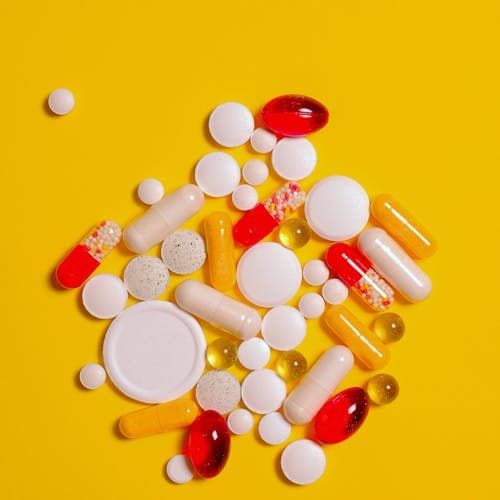
| Population | Key concern | Practical guidance |
|---|---|---|
| Pregnancy & breastfeeding | Fetal/infant exposure | Review every medicine and supplement with your clinician; see our pregnancy safety hub |
| Older adults (65+) | Polypharmacy, falls, slower clearance | Periodic "deprescribing" reviews; lower sedative doses |
| Infants & children | Weight-based dosing, developing organs | Use exact measuring devices and pediatric dosing tools |
| Kidney disease | Drug accumulation | Renal dose adjustment; avoid nephrotoxic combinations |
| Liver disease | Impaired metabolism | Caution with acetaminophen, statins, sedatives |
Older adults deserve special mention because polypharmacy — taking many medicines at once — is so common. Each added medicine increases interaction risk and the chance that a side effect is mistaken for a new illness (a "prescribing cascade"). A periodic review with a pharmacist or physician to stop unnecessary medicines is one of the highest-value safety steps available.
Best Practices for Everyday Safe Use
Knowledge only prevents harm when it becomes habit. The following practices turn safety principles into a routine.
1. Keep a single, current medication list
Write down every product, its dose, the reason you take it, and who prescribed it. Update it whenever anything changes and bring it to every appointment, procedure, and emergency visit. A photo on your phone works well.
2. Use one pharmacy and build a relationship with your pharmacist
Pharmacists are medication-safety experts and are often the most accessible member of your care team. A single pharmacy can screen your whole profile for interactions and duplicate therapy.
3. Take medicines consistently — adherence matters
Roughly half of people with chronic conditions do not take medicines as prescribed, and poor adherence is itself a major cause of hospitalisation. Build a routine, tie doses to daily anchors (meals, brushing teeth), use a pill organiser or reminders, and address barriers such as cost or side effects with your team rather than silently stopping.
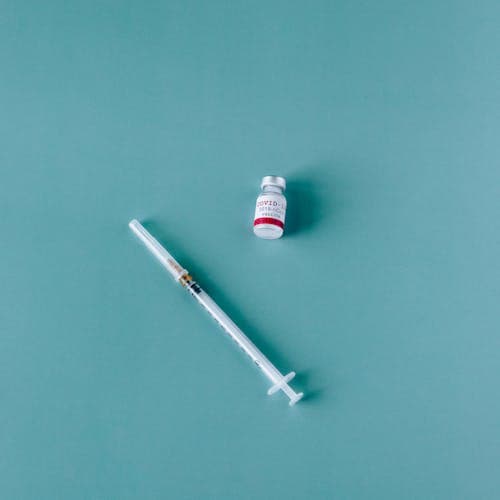
4. Store medicines correctly
Heat, light, and humidity degrade many medicines — which means the bathroom cabinet is often the worst place to keep them.
| Storage factor | Guidance |
|---|---|
| Temperature | Most at room temperature; some (e.g., certain insulins) refrigerated |
| Humidity | Keep away from bathrooms; leave desiccant packets in bottles |
| Light | Keep light-sensitive medicines in original containers |
| Safety | Store up and away from children and pets; use child-resistant caps |
| Original labels | Keep medicines in labelled containers, not unmarked pill boxes for long-term storage |
5. Dispose of unused medicines safely
Expired and unused medicines are a safety and environmental hazard. Use a pharmacy take-back program or DEA take-back day when possible. Do not flush most medicines unless the label or FDA "flush list" specifically says to. Never keep leftover opioids or sedatives "just in case."
6. Ask the right questions
Whenever you start a new medicine, ask: What is it for? How and when do I take it? What are the common and serious side effects? What should I avoid (foods, alcohol, other medicines)? What do I do if I miss a dose? How will we know it is working?
Over-the-Counter Medication Safety
It is easy to assume that anything available without a prescription is automatically safe. In reality, over-the-counter (OTC) medicines are real medicines with real risks, and they are involved in a surprising share of accidental harm — precisely because people take them casually and often forget to mention them.
- Hidden duplicates: Many combination cold, flu, and pain products contain acetaminophen. Taking several at once can push you past the safe daily limit and cause liver injury without you realising it. Always read the active ingredients.
- NSAID risks: OTC pain relievers like ibuprofen and naproxen can raise blood pressure, irritate the stomach, affect the kidneys, and add to bleeding risk — especially in older adults or people taking blood thinners.
- Interactions still apply: OTC antihistamines, decongestants, antacids, and heartburn medicines all interact with prescription drugs and with each other. Decongestants, for instance, can worsen hypertension.
- Read the "Drug Facts" label: It lists the active ingredients, uses, warnings, and dose. Treat it with the same seriousness as a prescription label.
When in doubt, ask the pharmacist — you do not need an appointment, and OTC counselling is free.
Medicines, Alcohol, and Driving
Two everyday exposures deserve special attention because they interact with a huge range of medicines.
Alcohol can amplify sedation (with sleep aids, opioids, some antihistamines, and anti-anxiety medicines), increase stomach bleeding (with NSAIDs), strain the liver (with acetaminophen), and unpredictably change blood sugar (with diabetes medicines). "Avoid alcohol" on a label is not boilerplate — it reflects a real, sometimes dangerous interaction.
Driving is affected by any medicine that causes drowsiness, dizziness, blurred vision, or slowed reaction time — including many allergy medicines, muscle relaxants, sleep aids, opioids, and some antidepressants. Until you know how a new medicine affects you, avoid driving or operating machinery, and never combine a sedating medicine with alcohol before driving.
Traveling With Medicines
Travel disrupts routines, which is when doses get missed and mistakes happen. A little planning prevents most problems:
- Carry medicines in your carry-on bag in their original labelled containers, with enough for the trip plus a few extra days.
- Bring a copy of your medication list and prescriptions, especially for controlled substances or injectables.
- Account for time-zone changes with time-critical medicines — ask your pharmacist how to adjust.
- Keep temperature-sensitive medicines (like some insulins) cool and never in a checked bag or a hot car.
Preventing Medication Errors at Home
Most medication errors happen not in hospitals but at home, during ordinary routines. The most common are taking the wrong dose, taking a medicine twice, mixing up look-alike pills, and giving the wrong amount of a children's liquid. Simple safeguards prevent nearly all of them:
- Use a pill organiser filled once a week, so a missed or doubled dose is obvious at a glance.
- Never measure liquids with kitchen spoons — use the syringe or cup provided.
- Keep medicines in original containers with labels intact for long-term storage, and store look-alike medicines apart.
- Turn on the light and read the label every time — do not rely on pill colour or shape, and use the pill identifier if something looks different.
- Set reminders and tie doses to daily anchors so they are not forgotten or repeated.
- Keep medicines out of reach of children, and remember that grandchildren visit — child-resistant caps are not childproof.
Managing Medication Costs Safely
Cost is a major and under-discussed cause of poor adherence — people quietly skip doses or split pills to save money, which can be dangerous. If cost is a barrier, do not stop silently. Ask your prescriber about generic equivalents (which are held to the same standards as brand-name medicines), ask your pharmacist about lower-cost alternatives within the same class, and explore manufacturer or patient-assistance programs. Splitting tablets to save money should only be done with medicines your pharmacist confirms are safe to split.
Using MedCentralHub's Tools Safely
MedCentralHub provides free, pharmacist-reviewed tools to support — not replace — professional advice:
- The drug interaction checker screens combinations for known interactions.
- The pill identifier helps confirm an unknown tablet by imprint, shape, and colour.
- The dosage tools include pediatric weight-based dosing, renal adjustment, and more.
- The medicines A–Z and conditions A–Z libraries provide detailed, referenced monographs.
Always confirm anything important with your own prescriber or pharmacist, especially for high-risk medicines and complex regimens.
Working With Your Prescriber and Pharmacist
Medication safety is a team sport, and you are the captain. Getting the most from your care team comes down to communication.
Your prescriber chooses the medicine and the plan. Come to appointments with your current medication list, a note of any side effects, and your questions written down. Be honest about whether you are actually taking your medicines as prescribed — clinicians cannot adjust a plan accurately if they believe you are taking something you have quietly stopped. Ask what each new medicine is for and what success looks like.
Your pharmacist is the most accessible medication expert and the last professional check before a medicine reaches you. Pharmacists catch interactions, dosing errors, and duplicate therapy, and they can counsel you without an appointment. Use them: ask about side effects, timing, food, alcohol, and whether an OTC product is safe with your prescriptions. When you pick up a new medicine, take the offered counselling rather than declining it.
When care is fragmented — multiple specialists, hospital stays, different pharmacies — the risk of error rises. Ask for a medication reconciliation (a formal review of your list against what you are actually taking) after any hospital stay or major change. This single step prevents a large share of post-hospital medication errors.
Common Myths About Medication Safety
Misunderstandings cause real harm. Here are some of the most common, corrected:
- Myth: "Natural means safe." Herbal products and supplements are biologically active and can interact dangerously with prescriptions. "Natural" is not a safety guarantee.
- Myth: "If one pill helps, two will help more." Doubling a dose can cross from the therapeutic range into the toxic range. More is not better.
- Myth: "Generic medicines are weaker." Generics contain the same active ingredient at the same strength and must meet the same standards as brand-name versions. They are a safe way to reduce cost.
- Myth: "I can stop once I feel better." Many conditions (infections, high blood pressure, depression) require completing or continuing treatment even after symptoms improve. Stopping early can cause relapse or resistance.
- Myth: "Old medicines are fine to reuse." Expired medicines can lose potency, and leftover antibiotics or painkillers should never be self-prescribed for a new problem.
- Myth: "The bathroom cabinet is the right place for medicines." Heat and humidity there degrade many medicines; a cool, dry place is better.
Your Medication Safety Checklist
Use this as a simple, repeatable routine:
- Keep one up-to-date list of everything you take and share it at every visit.
- Use one pharmacy so your full profile is screened.
- Read the label every time — name, dose, directions, warnings.
- Check interactions before adding any new medicine, OTC product, or supplement using the interaction checker.
- Take medicines consistently, tied to daily routines, with reminders or a pill organiser.
- Store medicines cool, dry, and out of children's reach; dispose of unused ones through take-back programs.
- Know the warning signs that need urgent care, and keep Poison Control's number handy.
- Ask questions — of your prescriber and your pharmacist — until you understand your medicines.
When to Get Help Immediately
Call emergency services for suspected anaphylaxis (throat swelling, trouble breathing), severe bleeding, chest pain, fainting, seizures, or a severe spreading rash. For a suspected overdose or poisoning in the United States, contact Poison Control at 1-800-222-1222. When in doubt, err on the side of getting help — medication emergencies are far more treatable when caught early.
Conclusion
Safe medication use is not about memorising pharmacology — it is about a handful of durable habits: understand your dose and why it is yours, know the side effects that matter, respect the hidden risk of interactions, and build simple systems (one list, one pharmacy, a routine) that catch problems before they cause harm. Combine those habits with the free tools above and open conversations with your pharmacist, and you dramatically reduce your risk of preventable medication harm.
Medical References
- U.S. Food and Drug Administration (FDA) — Safe medication use and drug information
- MedlinePlus (U.S. National Library of Medicine) — Medicines and drug information
- Institute for Safe Medication Practices (ISMP) — consumer medication safety resources
- Centers for Disease Control and Prevention (CDC) — Medication safety program
- World Health Organization (WHO) — Medication Without Harm global patient safety challenge
*This article is for educational purposes only and is not medical advice. Always consult your healthcare provider or pharmacist about your specific medicines. Reviewed by the MedCentralHub Medical Review Board. Last reviewed May 2026.*
Frequently Asked Questions
What does safe medication use actually mean?
Safe medication use means taking the right medicine at the right dose, by the right route, at the right time, while avoiding harmful interactions and recognising side effects early. In practice it comes down to correct dosing, side-effect awareness, interaction prevention, and habits like keeping one medication list and using a single pharmacy.
How is the correct dose of a medicine determined?
A dose depends on the condition and its severity, your age and body weight, your kidney and liver function, other medicines you take, and sometimes your genetics. This is why your correct dose can differ from someone else's taking the same drug, and why doses are often lowered for older adults or people with reduced organ function.
What should I do if I miss a dose?
As a general rule, take it if you remember soon after the scheduled time, but skip it if it is almost time for the next dose — and never double up to catch up unless your pharmacist or the label says to. Some time-critical medicines (certain heart, seizure, HIV, and transplant drugs) have specific rules, so ask your pharmacist for a plan in advance.
How can I avoid dangerous drug interactions?
Use one pharmacy so a single system screens your full profile, keep a complete list of everything you take including over-the-counter products and supplements, ask before adding anything new, and run new combinations through a drug interaction checker. Also read auxiliary labels about food, alcohol, and timing.
When is a side effect an emergency?
Seek emergency care for swelling of the lips, tongue, or throat or trouble breathing (possible anaphylaxis), a rapidly spreading or blistering rash, chest pain or fainting, signs of serious bleeding, or confusion and seizures. Milder effects like mild nausea or drowsiness often ease as your body adjusts, but check with your clinician before stopping a prescription.
Is it safe to crush or split my tablets?
Not always. Immediate-release tablets that are scored may be splittable, but extended-release (ER/XR/SR) products should never be crushed or chewed because it can release the entire dose at once — a potentially dangerous dose dump. Always confirm with your pharmacist before altering any tablet or capsule.
Where should I store my medicines?
Store most medicines in a cool, dry place away from heat, light, and humidity — which means the bathroom cabinet is usually a poor choice. Keep them in their original labelled containers, store them up and away from children and pets, and refrigerate only the specific medicines (like certain insulins) that require it.
How do I safely dispose of unused medicines?
The best option is a pharmacy take-back program or a DEA take-back event. Do not flush medicines unless the label or the FDA flush list specifically says to. Never keep leftover opioids or sedatives 'just in case,' as they pose a serious risk of misuse and accidental poisoning.
Why are older adults at higher risk from medicines?
Older adults often take many medicines at once (polypharmacy), which multiplies interaction risk, and their bodies clear drugs more slowly, so standard doses can accumulate. Periodic reviews to stop unnecessary medicines and using lower starting doses of sedatives and opioids are among the most valuable safety steps for this group.
Can supplements and herbal products interact with my medicines?
Yes. 'Natural' does not mean interaction-free. St. John's Wort can reduce the effectiveness of many prescription medicines, and products like high-dose fish oil or ginkgo can add to bleeding risk. Always tell your pharmacist about every vitamin, herbal, and supplement you take and check new ones for interactions.
Medicines Mentioned in This Article
Conditions Covered in This Article
Medical Disclaimer: This article is for educational purposes only and does not constitute medical advice. Always consult your healthcare provider before making any medication decisions.